iceland text with watefall background

Icelandic Traditions


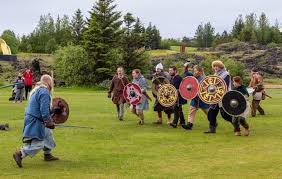
vikings fighting

Outside Traditions

There are many traditions in Iceland, here are a few examples of outside ones... Icelandic outdoor traditions are deeply connected to the rugged landscape, emphasizing nature immersion regardless of weather. A unique practice involves allowing babies to nap outside, even in freezing temperatures, to improve health and sleep. The nation celebrates the summer solstice with festivals like Jónsmessa, while winters are marked by dramatic fireworks and community bonfires. Locals frequently visit geothermal hot springs and pools to relax in mineral-rich water. Additionally, Icelanders are strong stewards of nature, valuing hiking and staying on designated paths to protect the delicate, volcanic environment. These customs reflect a resilient, nature-loving culture.

Inside Traditions

There are many traditions in Iceland, here are a few of the inside ones... Icelandic inside traditions are deeply rooted in community, folklore, and cozying up against the harsh climate. A major, year-round tradition is visiting local geothermal swimming pools to socialize, unwind, and discuss daily life. Home life often centers around warmth and comfort; when visiting, it is customary to remove shoes immediately at the door. Icelanders take pride in their rich storytelling heritage, with a strong tradition of reading and exchanging books on Christmas Eve, known as Jolabokaflod. Winter bringsunique traditions like Þorrablót, a feast featuring fermented foods, and 13 "Yule Lads" who visit children. Additionally, Icelanders often maintain a deep belief in or respect for "hidden people" or elves, influencing, at times. construction and folklore.
Traditions for children

Not all Icelandic traditions are made for adults... Icelandic childhood is steeped in magical folklore and unique seasonal rituals. During the 13 days before Christmas, children place a shoe on their windowsill, hoping for small treats left by the 13 Yule Lads, mischievous brothers who visit one by one. February brings Bolludagur (Bun Day), where kids playfully "spank" their parents with decorated wands to "earn" cream-filled buns. Another beloved tradition is the Jólabókaflóð, or "Christmas Book Flood," where children often receive new books on Christmas Eve and spend the night reading. On Ash Wednesday (Öskudagur), children dress in costumes and sing for candy in local shops, similar to Halloween.

Traditions for adults

Icelandic adults need to enjoy their culture too... Icelandic traditions for adults blend ancient Norse heritage with cozy, modern resilience. Key customs include Þorrablót, a midwinter feast in January/February featuring cured meats and sagas, and the winter Jólabókaflóð (Christmas Book Flood), where friends exchange books to read on Christmas Eve. Romantic traditions include celebrating Husband's Day (Bóndadagur) in January and Women's Day (Konudagur) in February, often with spa trips or fine dining. While the 13 Yule Lads visit children, adults enjoy strong coffee, social hot springs, and festive New Year's Eve firework celebrations, often influenced by folklore, including lingering respect for elves.
